
OUR RICH HISTORY
Vérizet: a renaissance
Vérizet is the name of a village that no longer exists, as it is now part of Viré. Viré and Vérizet merged in 1968 and the named geographical location of Vérizet was consigned to the past. And yet it lives on through our wines!
Viré: a destiny in a name
The Latin word viriaco, meaning “vine cultivation”, attests to the ancient roots of Viré’s wine-growing tradition. The cartularies of Saint-Vincent de Mâcon and Cluny record wine payments as early as the 7thcentury in Viré and Quintaine, indicating that wine has historically been the area’s main crop. The village of Viré belonged in turn to the bishop and to the chapter of Mâcon cathedral. In circa 1000, the vineyard extended from Morgon to Tournus, including Viré, Uchizy and Plottes, among other villages. On 19 January 1616, Viré and its vineyards were listed in the inventory of the Châtellenie de Vérizet.
Our cellar will soon be 100 years old
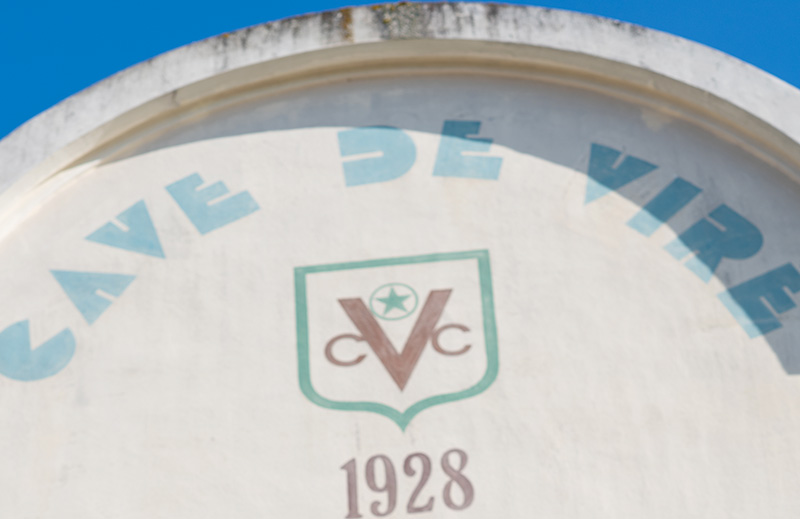
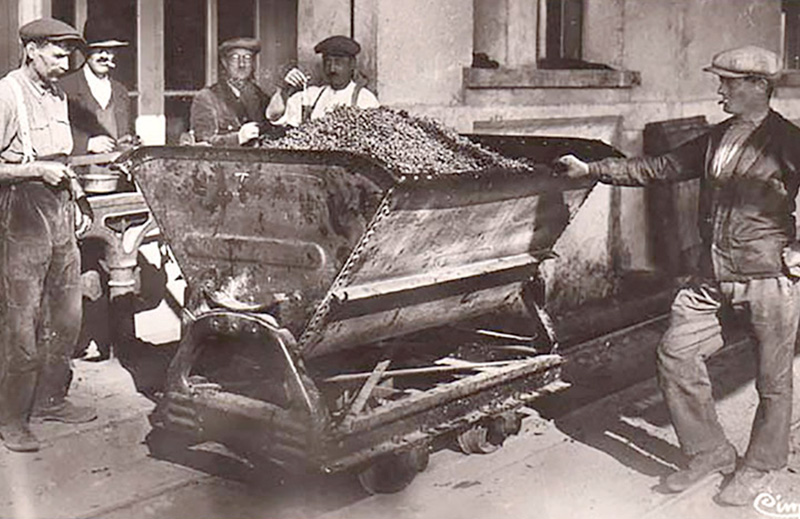
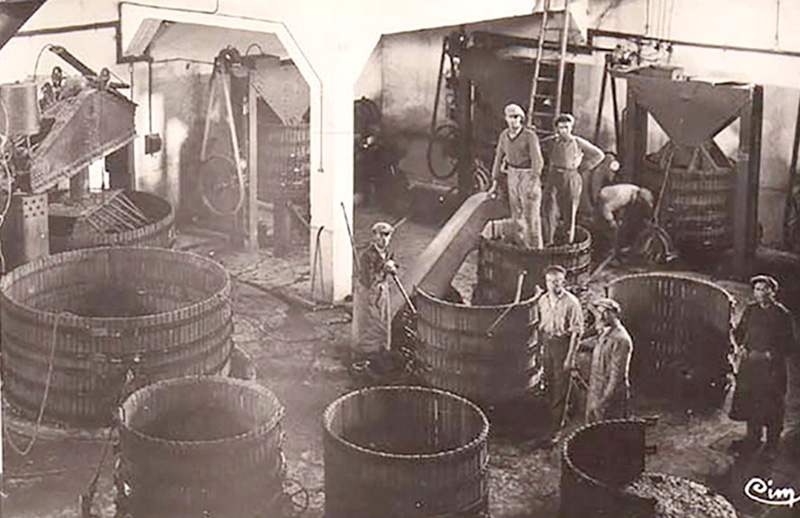
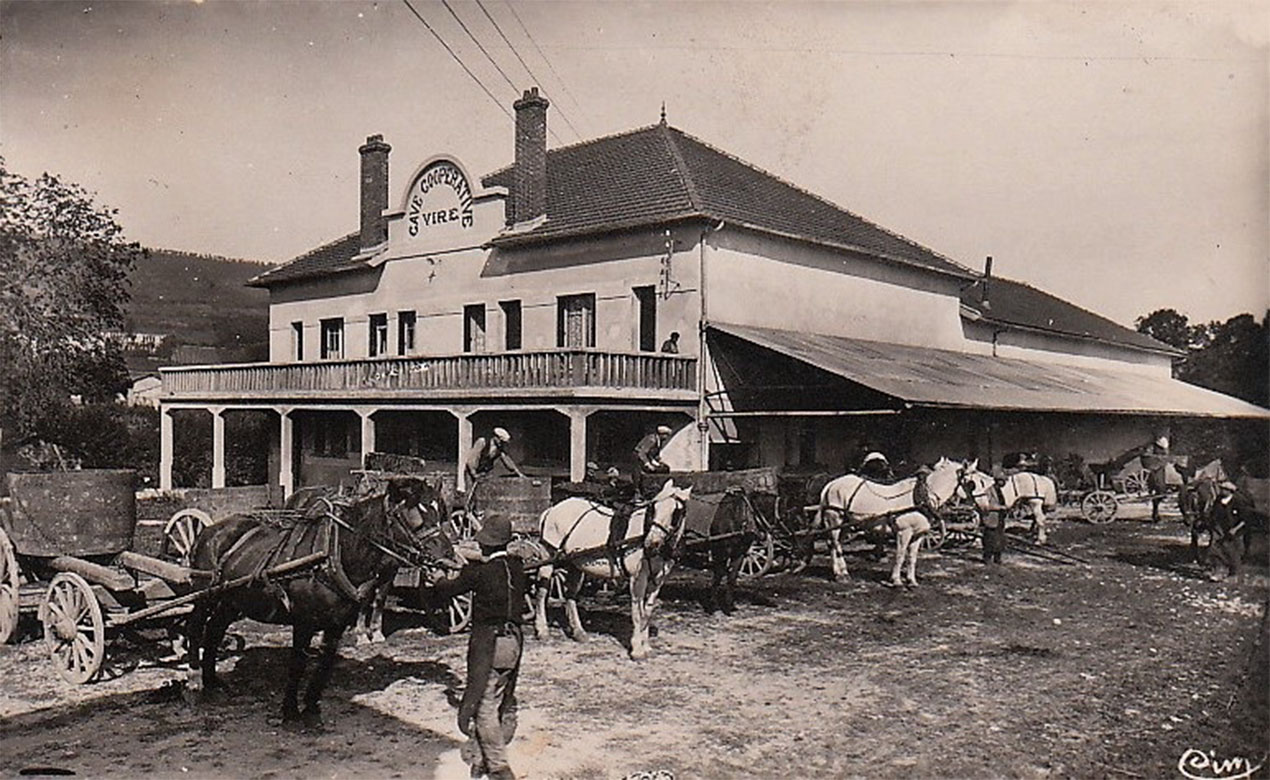
1928 – Beginnings
The Cave Coopérative de Viré was founded in 1928.
Various producers voluntarily joined forces with the aim of surviving the
financial difficulties caused by the First World War and phylloxera.
The Cave had always been renowned for the quality of its white wines and was also very much ahead of its time commercially.
From 1958 onwards, under the chairmanship of René Boudier, it began to
market its wines in Paris where a cuvée of Viré wine was inaugurated annually in Montmartre, which was twinned with Viré.
The first cellar to retail wine by the litre, it went on to pioneer the
sale of the 75 cl bottle in 1970. The Cave entered the export market
in 1972, going against the advice of the Burgundy wine trade, which subsequently boycotted its wines.
1995 – An alliance is formed
The Cave de Sennecé-lès-Mâcon strengthened and supported
Viré’s business, which had suffered from the urban development of the town of Mâcon and the surrounding area, losing land and estates.
A merger took place in 1995 between the two wine cellars, leading
to the creation of the “chai de Sennecé”, a storehouse located in the centre of the village.
1998 – La naissance d’une appellation
L’appellation Viré-Clessé voit officiellement le jour par décret d’application du 26 février 1999 et devient la 5ᵉ appellation communale du Mâconnais. Elle incarne l’aboutissement d’un engagement collectif fort entre les vignerons de Viré et vignerons de Clessé, ainsi unis par la conviction de la singularité et de la qualité de leurs terroirs. Cette reconnaissance par l’INAO marque une étape décisive dans l’histoire du vignoble : L’appellation régionale Mâcon-Viré, créée en 1936, évolue alors naturellement vers l’appellation village Viré-Clessé. Aujourd’hui, la récolte des raisins, la vinification et l’élevage sont autorisés et réalisés sur le territoire des seules communes de Clessé, Laizé, Montbellet et Viré en Saône-et-Loire, un vignoble qui s’étend sur 390 hectares.
2009 – Ouverture de la Maison… Vérizet
In the late 2000s, the Cave de Viré began a new venture. It contributed to the renovation of the centre of the village of Viré by establishing a new tasting venue right by the production buildings. This signalled the genesis of the Cave de Viré as the brand it is today. The venue is dedicated to tasting and presenting our terroirs.
Vérizet en quelques chiffres…
• Surface area of vines linked to the Cave:
250 hectares
• Wine producers: 110 cooperative members
including 30 winegrowers
• Average production: 15,000 hectolitres
• 6 appellations
• 18 employees
• 1,500,000 bottles produced annually
APPELLATIONS
AOP Mâcon
AOP Mâcon-Villages
AOP Mâcon Péronne
AOP Mâcon Lugny
AOP Viré-Clessé
AOP Crémant de Bourgogne
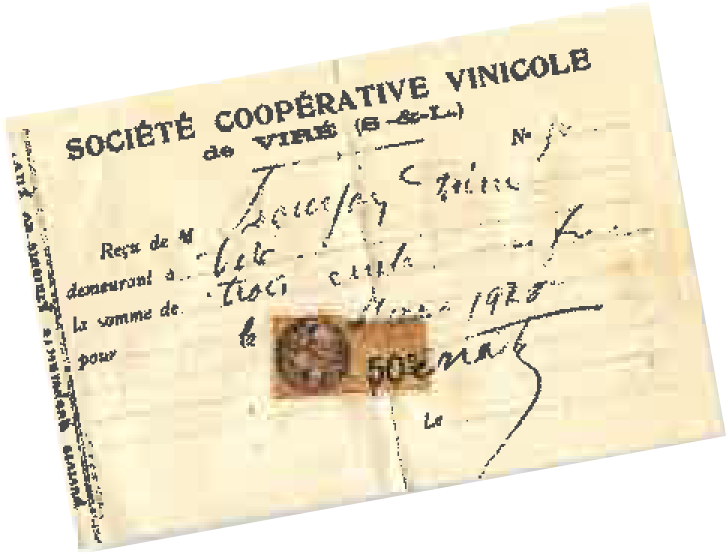
The first purchase order,
dated 4 March 1928
 EN
EN  FR
FR